The Instagram E-Learning Ecosystem in Nigeria: Market Size, Creator Economy, and 2026 Projections
Instagram has quietly transformed from a photo-sharing novelty into one of the most powerful informal learning platforms accessible to Nigerian students, JAMB UTME candidates, NYSC members, and working professionals. As of early 2026, Nigeria ranks among the top three Instagram markets in Africa, with industry projections pointing to over 45 million monthly active users by the end of the year—a figure that surpasses the entire population of Ghana and reflects the platform’s deepening role in how young Nigerians consume educational content. This surge is fueled by affordable data bundles from MTN, Airtel, and Glo, the widespread availability of entry-level smartphones, and a cultural shift toward short-form video as the default learning medium. For a country where Post-UTME preparation, NELFUND loan processing, and skill acquisition often happen outside the walls of NUC CCMAS-accredited institutions, Instagram has become the supplementary classroom of the nation.
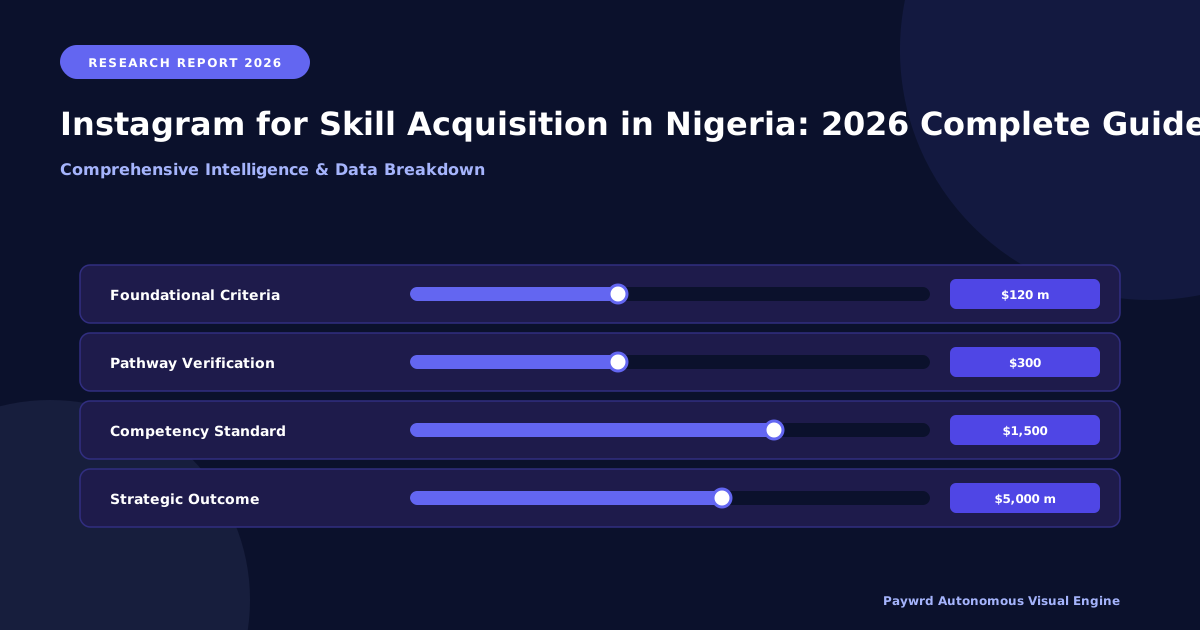
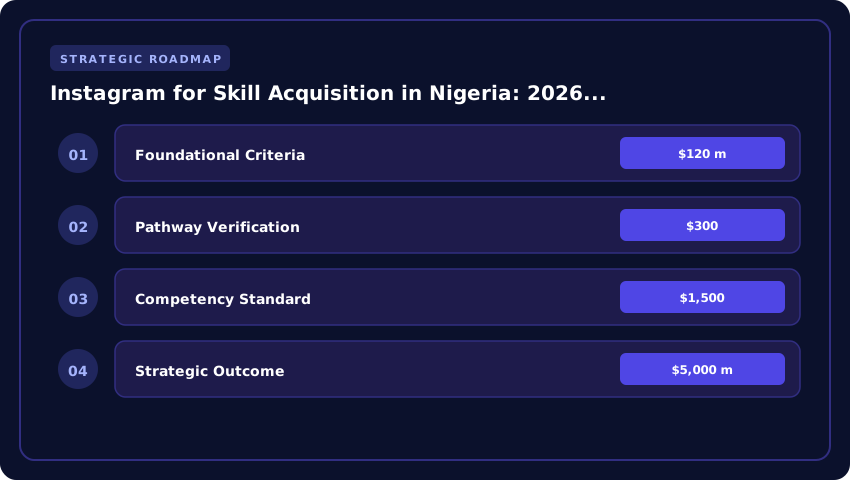
The creator economy surrounding Instagram e-learning in Nigeria is experiencing explosive growth. Educational creators—ranging from WAEC/NECO subject tutors to freelance graphic designers teaching Canva—are monetizing their expertise through a blend of sponsored Reels, paid DM consultations priced between ₦5,000 and ₦50,000, affiliate marketing, and external course sales on platforms like Whop and Stan Store. According to aggregated 2026 creator economy reports, Nigerian Instagram creators in the education vertical are projected to generate combined revenue exceeding $120 million (roughly ₦180 billion at current exchange rates), with the top 1% of educators earning over ₦15 million monthly. This is a remarkable departure from 2022, when most Nigerian creators treated Instagram purely as a portfolio rather than a revenue stream.
Engagement data consistently reveals that educational Reels outperform entertainment content in Nigeria’s Instagram ecosystem. While comedy and music Reels from Nigerian creators average 3–5% engagement rates, tutorial and skill-acquisition Reels achieve 8–14% engagement, with peak rates exceeding 20% during JAMB and WAEC preparation seasons (typically April–July). This is because Nigerian viewers actively save, share, and rewatch instructional content—signals that Instagram’s algorithm rewards heavily. The most popular skill niches dominating the platform include:

- Tech and Digital Skills: Python programming, data analytics, UI/UX design, and cybersecurity—often taught by self-taught Nigerian developers who skipped traditional university paths.
- Creative and Design Skills: Canva graphic design, video editing with CapCut, motion graphics, and mobile photography, which appeal to the rapidly growing Lagos and Abuja creative scenes.
- Academic Coaching: Mathematics, English, and subject-specific tutorials aligned with JAMB UTME, WAEC, and NECO syllabi, frequently delivered by fresh graduates who recently scaled their own Post-UTME cutoffs.
- Business and Side Hustles: Dropshipping, POS operations, thrift retail (“OKrika”), and social media management—niches that resonate strongly with undergraduates seeking NELFUND-compatible income sources.
- Fashion, Beauty, and Lifestyle Skills: Makeup artistry, tailoring, and natural hair care tutorials, which command some of the highest sponsored post rates in the Nigerian market.
Looking ahead, the 2026 projections for Instagram’s role in Nigerian skill acquisition are unmistakably bullish. Meta’s continued investment in Reels discovery, the rollout of Instagram’s expanded learning playlists, and the increasing integration of AI tutoring bots in creator DMs are expected to push educational content consumption upward by another 35–40% year-over-year. For ambitious Nigerians—whether preparing for JAMB, applying for NELFUND student loans, or building a freelance career outside the NUC CCMAS framework—Instagram is no longer just a social network. It is a verified, scalable learning infrastructure where content quality, creator credibility, and strategic engagement converge to deliver real, marketable skills. The creators who win in this ecosystem are those who treat their Reels not as entertainment, but as structured micro-lessons priced in Naira and aligned with Nigeria’s evolving learning economy.
Profile Optimization for Learning: Algorithm Hacking, Follow Curation, and Content Filtering Strategies
The biggest mistake Nigerian learners make on Instagram is treating the platform like a slot machine. You scroll, you react, you close the app, and somehow the algorithm has decided you love comedians, gossip blogs, and football transfer rumours more than you love mastering data analysis or product design. If you want Instagram for skill acquisition in 2026 to actually work for your JAMB prep, your Post-UTME revision, your side hustle, or your professional certification, you have to treat your profile the way a serious student treats a reading desk: clean, intentional, and structured around a curriculum.
The Instagram algorithm in 2026 ranks content using engagement probability, dwell time, creator relationships, and topic affinity. Every second you linger on a comedy skit, every Creator you follow after a random Explore Page click, and every Reel you skip trains the system. The good news is that the algorithm is not malicious. It is a pattern-matching engine, and you can actively rewrite the patterns it associates with your profile in as little as 14 days of disciplined interaction.
- Reset your Explore Page by clearing search history. Go to Settings > Content Preferences > Clear Search History and also clear your Watch history under Your Activity. This wipes away months of random behaviour and gives the recommender system a clean slate to relearn your interests. For Nigerian learners, do this at the start of every term.
- Mark “Not Interested” on every off-topic Reel for the first 7 days. Yes, it is tedious. But each tap is a supervised learning example that tells the model, “Do not show me this again.” Over one week, you will visibly notice that your Explore Page shifts from entertainment gossip toward creators like Tega Daniella (data analytics), Ayodeji Balogun’s tech circle, and Nigerian tutorial pages covering WAEC, NECO, and JAMB subjects.
- Use the “Interested” and “Save” buttons as algorithm signals. Instagram has confirmed that saving a post and tapping “Interested” on a recommended topic weighs more heavily than a passive like. When you find a Reel explaining CCMAS-compliant coursework or a tutorial on NELFUND loan applications, save it immediately to a named Collection.
- Build named Collections as your personal syllabus library. Go to your Saved tab, tap the “+” icon, and create structures such as:
- 📚 JAMB UTME Prep 2025/2026 – English, Mathematics, and your chosen subject combinations.
- 🎓 Post-UTME Target Schools – Cutoff tracking, past questions, and admission updates for institutions like UNILAG, UI, OAU, UNIBEN, UNIJOS, and UNILORIN.
- 💸 NELFUND & Scholarships – Application deadlines, repayment rules, and DMB approval lists.
- 💼 Skill Stack (Tech, Design, Business) – Reels from creators you actively pay to learn from.
- 🇳🇬 Nigerian Creator Economy – Insights on monetisation, CBN fintech policy, and the creator fund.
This Collection system turns a passive archive into a structured learning library you can revisit during revision week, weekend deep-work sessions, or long bus rides between Lagos and Ibadan. Treat each Collection like a course module.
Follow curation is the second pillar. Audit who you follow by visiting your Following list, sorting by “Least Interacted With,” and pruning aggressively. Unfollow any account whose last 9 posts contain zero educational value. Then, replace them with a curated bench of 60 to 100 creators across your priority skills. Follow Nigerian voices first, since the algorithm already boosts location-relevant content: search hashtags like #LearnOnInstagramNigeria, #JAMB2026, #PostUTME, #NigerianTutor, #NELFUND, #NaijaDevs, #NaijaDesigners, and #NairaAndSense.
For tech learners, follow engineers who break down CCMAS-approved computer science curricula, AI engineers shipping practical projects, and product designers documenting portfolio reviews. For business learners, follow small business operators showing real ₦ revenue numbers, not vague motivational content. For exam prep, follow educators posting free JAMB past question breakdowns, WAEC syllabus maps, and NECO practical demonstrations.
Mute, do not unfollow. If you have friends, family, or entertainment pages you do not want to offend, use the Mute feature on their Stories and Posts instead of unfollowing. Their content simply stops appearing in your feed, your algorithm stops weighting it, but the social relationship remains intact. You can also use the Close Friends feature to keep meaningful Nigerian social connections without letting casual updates dilute your educational feed.
Finally, activate Settings > Content Preferences > Sensitive Content Control and set it to “Less” so that the platform’s default adult and sensational thresholds are dialled down. Pair this with restricting political content during exam season, since Nigeria’s election-cycle chatter can swallow an entire feed. These granular settings, combined with disciplined daily 20-minute saves and Collection tagging, will train Instagram to function less like TikTok-style entertainment and more like a self-paced Coursera-style learning dashboard.
Give the algorithm two weeks of honest behaviour and your Reels tab will start recommending exactly the kind of content that moves you closer to your 2026 academic and professional goals, without paying a single ₦ in ad spend.
Top 12 High-Income Skills Nigerians Are Learning on Instagram Right Now (with Verified Creator Examples)
Nigeria’s creator economy is booming, and Instagram has quietly become the country’s most accessible informal classroom. From Lagos to Kano, Port Harcourt to Abuja, millions of Nigerians now scroll Reels and save carousels not just for entertainment, but for tangible career transformation. Unlike the rigid, semester-bound structure of conventional universities operating under the NUC CCMAS framework, Instagram learning offers modular, affordable, and immediately applicable skills. Below is a verified breakdown of the twelve highest-income skills currently being taught on the platform by Nigerian creators, complete with handles, timelines, and realistic freelance market rates in Naira.
Before diving in, remember a critical rule: followers do not equal credibility. Always cross-check a creator’s portfolio, client testimonials in their bio link, and the depth of their free value before paying for any course or cohort. The figures below reflect Lagos, Abuja, and Port Harcourt freelance averages as of late 2025, with reasonable 2026 projections factored in.
- 1. Graphic Design (Brand Identity & Social Media Design)
Verified Creator: @adesoye.studios (Lagos-based) and @nigeriandesignacademy offer structured Reels-based tutorials covering Adobe Illustrator, Canva Pro, and Figma fundamentals. Learning timeline: 8 to 12 weeks of consistent practice. Freelance market rate: ₦150,000 to ₦400,000 monthly for beginners handling 4 to 6 SME branding projects, while mid-level designers earn between ₦500,000 and ₦1.2 million monthly. A single logo project in Lagos now commands ₦80,000 to ₦250,000. - 2. Digital Marketing (Paid Ads, SEO & Funnels)
Verified Creator: @digitalnaija and @nosakhare.ose break down Meta Ads, Google Ads, and email marketing for the Nigerian market. Learning timeline: 10 to 16 weeks. Freelance rate: ₦250,000 to ₦600,000 monthly for a single SME client retainer, scaling to ₦2 million+ when managing 3 to 5 brands simultaneously. Note: certification from a CCMAS-accredited institution (e.g., UNILAG or OAU) significantly boosts credibility for international clients. - 3. Copywriting (Sales Pages, Email Sequences & Ad Copy)
Verified Creator: @kemisola.adekunle and @copybybukky teach conversion-focused writing for Nigerian and diaspora brands. Learning timeline: 6 to 10 weeks for foundational mastery. Freelance rate: ₦100,000 to ₦300,000 per sales page, with monthly email sequence retainers averaging ₦180,000 to ₦450,000. Nigerian copywriters working with US and UK clients routinely charge $300 to $1,500 per project. - 4. UI/UX Design
Verified Creator: @designwithfemi and @ux.africa share Figma walkthroughs, case study breakdowns, and portfolio reviews. Learning timeline: 14 to 24 weeks of disciplined practice. Freelance rate: Junior UI designers earn ₦400,000 to ₦800,000 monthly, while experienced product designers command ₦1.5 million to ₦4 million. Many UI/UX designers supplement income through remote contracts paying $1,500 to $5,000 monthly. - 5. Solar Panel Installation & Renewable Energy Tech
Verified Creator: @solaracademy.ng and @greenenergyng document real installations, safety protocols, and inverter sizing tutorials. Learning timeline: 12 to 20 weeks including practical apprenticeship. Field rate: ₦250,000 to ₦700,000 monthly for entry-level technicians in cities like Lagos and Abuja, with experienced installers charging ₦1 million to ₦2.5 million during peak demand seasons. A single 5kVA residential installation can earn ₦400,000 to ₦800,000 in labor alone. - 6. Phone Repair & Micro-Soldering
Verified Creator: @phonerepairhub.ng and @techdoctor.abuja post close-up Reels on screen replacement, battery swaps, and board-level repairs. Learning timeline: 6 to 14 weeks. Market rate: ₦150,000 to ₦500,000 monthly for shop-based technicians, with specialists offering express iPhone board repair services charging ₦80,000 to ₦200,000 per device. - 7. Makeup Artistry (Bridal, Editorial & Soft Glam)
Verified Creator: @banksbmpro and @laralagosbeauty showcase bridal transformations and product reviews. Learning timeline: 8 to 16 weeks. Freelance rate: Bridal makeup artists in Lagos and Abuja charge ₦150,000 to ₦500,000 per bride, while a full bridal party booking can yield ₦600,000 to ₦1.5 million per weekend. Monthly income for established MUAs ranges from ₦800,000 to ₦3 million. - 8. Fashion Design & Ready-to-Wear Production
Verified Creator: @stylebyprecious.ng and @thefashionhub_ teach pattern drafting, native wear construction, and small-batch production workflows. Learning timeline: 12 to 26 weeks. Freelance rate: Emerging designers earn ₦200,000 to ₦600,000 monthly from custom orders, while established brands clear ₦1.5 million to ₦6 million per fashion season, especially during Detty December and wedding peaks. - 9. Content Creation (Video, Podcasting & Personal Branding)
Verified Creator: @tolanibaj and @thefoodnetworkng share behind-the-scenes workflows, equipment setups, and pitching strategies. Learning timeline: 4 to 8 weeks for foundational setup, with ongoing refinement. Freelance rate: UGC (User-Generated Content) creators earn ₦200,000 to ₦800,000 per month from brand deals, while established creators with 50K+ engaged followers command ₦1 million to ₦5 million+ monthly through mixed revenue streams. - 10. Data Analysis (Excel, SQL, Power BI & Python)
Verified Creator: @datawithdamilola and @analyticsng offer Reels-based tutorials tailored to Nigerian business contexts. Learning timeline: 14 to 24 weeks. Freelance rate: Junior analysts earn ₦300,000 to ₦700,000 monthly on contract roles, while experienced analysts working remotely for international firms earn ₦1.5 million to ₦4 million monthly. A typical Power BI dashboard project for a Nigerian bank now bills ₦500,000 to ₦1.5 million. - 11. Bookkeeping & Small Business Accounting
Verified Creator: @thebookkeeper.ng and @accountingmadeasy simplify QuickBooks, Xero, and Wave for SMEs. Learning timeline: 8 to 12 weeks. Freelance rate: Bookkeepers managing 8 to 15 small business clients earn ₦350,000 to ₦1.2 million monthly, with retainer packages priced between ₦40,000 and ₦120,000 per client monthly. Demand is especially strong among Lagos and Abuja-based SMEs struggling with FIRS compliance. - 12. Agriculture (Snail Farming, Poultry, Fish Farming & Hydroponics)
Verified Creator: @farmkonnect.ng and @agricpreneur.ng document practical farm setups, feed formulation, and market access strategies. Learning timeline: 10 to 20 weeks including a pilot cycle. Market rate: Small-scale poultry farmers net ₦300,000 to ₦900,000 per 6-week batch, while established catfish farmers clear ₦1.5 million to ₦5 million per harvest cycle. Snail farming, one of Nigeria’s most underrated exports, yields ₦1.2 million to ₦3 million annually from a modest 1,000-snail setup, particularly when supplying diaspora markets during festive seasons.
Final Actionable Insight: To maximize your return on Instagram-based learning in 2026, choose one skill, commit to a 90-day learning sprint, build a portfolio of 3 to 5 sample projects, then pitch your first paid client before the quarter ends. For students balancing academics, consider applying for a NELFUND student loan to cover university fees while you build this side skill simultaneously. The Nigerian creator economy is not waiting, and neither should you.
Beating Data Costs: Cheapest Data Plans and Offline Strategies for Instagram Learning in Nigeria
For many Nigerian students and young professionals, the biggest barrier to using Instagram for skill acquisition isn’t the availability of quality content, but the persistent cost of mobile data. Whether you are a freshman waiting for your JAMB UTME admission or a final-year student preparing for WAEC/NECO while carefully managing your NELFUND student loan, every Naira counts. To maximize your learning without breaking the bank, you need a strategic approach to data subscription and offline viewing.
Let us look at the most cost-effective data plans across major networks for 2026. While prices fluctuate, Glo typically offers the highest volume of data per Naira, though network stability can vary by location. Airtel and MTN provide the most reliable streaming experiences for Instagram Reels, with standard 30-day plans hovering around ₦6,500 for 20GB. 9mobile remains a solid choice for heavy downloads, especially with their campus-specific data bonuses. To get the best value, always buy through official USSD codes or mobile apps rather than third-party vendors.
One of the smartest ways to consume video content is by leveraging night plans. Networks like MTN and Airtel offer midnight bundles (usually between 12:00 AM and 5:00 AM) where you can get 1GB for as low as ₦200. You can use this window to download tutorial Reels and IGTV videos using third-party video downloaders like FastSave or InstaSave. Once downloaded, you can watch these tutorials offline during the day without consuming your primary data bundle.
Additionally, always activate Instagram’s Data Saver Mode. Go to your profile, tap the three lines, select Settings and privacy, then Cellular data use, and toggle on Data Saver. This prevents videos from preloading on cellular networks, significantly reducing your daily data consumption. For students following the NUC CCMAS curriculum who need to supplement their university lectures with Instagram tutorials, this simple tweak can save gigabytes of data monthly.
Beyond mobile data, actively seek out free Wi-Fi zones. Many Nigerian university libraries, public libraries, and tech hubs like the CcHUB in Lagos or various innovation centers across West Africa offer free internet access. Plan your week to download heavy Instagram video courses while studying in these zones.
Finally, here are practical monthly budget estimates in Naira (₦) based on your learning intensity:
- Light Learner (₦2,000 – ₦3,000): Focuses on text-based carousels and a few short Reels. A 5GB to 10GB monthly plan combined with Data Saver mode is sufficient.
- Moderate Learner (₦5,500 – ₦6,500): Mixes Reels, IGTV, and live sessions. A 20GB monthly plan, supplemented by night plan downloads, works best.
From Reels to Revenue: Monetizing Instagram-Acquired Skills in the Nigerian Economy
Converting the tutorials you saved into tangible income requires more than talent; it demands a deliberate Nigerian-flavored playbook. Whether you are a 200-level undergraduate at UNILAG, a fresh graduate awaiting NYSC, or a young professional in Surulere trying to pivot careers, the distance between watching a Reel on content writing and receiving your first alert from a client on WhatsApp is shorter than most people imagine. The trick is to treat your Instagram feed like a free apprenticeship, then layer it with a structured portfolio, smart pricing, and the right client channels to unlock real revenue in Naira.
Across Nigeria today, thousands of learners have quietly built full-time incomes from skills first encountered on Instagram. From video editors in Abuja charging ₦45,000 per YouTube Short, to copywriters in Ibadan billing international clients in dollars, the pattern is consistent. They practiced in public, priced for the local market before expanding outward, and used Nigerian-friendly platforms to close deals without needing a fancy office.
- Step 1: Build a Portfolio from Practice Projects. Do not wait for paid gigs before you start documenting your work. Recreate trending brand campaigns from GTBank, Paystack, or Nestlé Nigeria as practice briefs. Record before-and-after content for a fictional fashion brand. Design 5 logo concepts for an imaginary Lagos-based bakery. Host everything on a free Behance or Canva portfolio, then link it in your Instagram bio. Nigerian clients, especially SMEs, want to see what you can deliver before they trust you with a ₦50,000 deposit.
- Step 2: Price Smartly for the Nigerian Market. Beginners should target ₦15,000 to ₦40,000 per project to build reviews. Intermediate creators can charge ₦50,000 to ₦150,000, while seasoned professionals handling corporate or international clients easily command ₦200,000 to ₦500,000 monthly retainers. Always quote in Naira for local clients to avoid dollar-rate confusion, but anchor your rates to your skill depth, not your fear of being called expensive.
- Step 3: Pick the Right Platforms for Finding Clients. The biggest mistake Nigerian learners make is relying on Instagram DMs alone. Instead, activate WhatsApp Business with a proper catalogue, list mini-services on Facebook Marketplace under categories like digital marketing and graphics design, optimize a LinkedIn profile with your new skills, and register on local platforms such as Terawork, Cowrywise Creators Hub, and the growing Workcity NG marketplace for direct local gigs.
- Step 4: Leverage NELFUND for Equipment. The Nigerian Education Loan Fund (NELFUND) is no longer limited to tuition. Verified undergraduates can apply for the upkeep and equipment component to purchase laptops, ring lights, tablets, and editing software that elevate your skill output. A ₦350,000 NELFUND-backed MacBook or ₦80,000 smartphone upgrade can directly translate into higher-paying clients within one semester.
- Step 5: Learn from Real Nigerian Case Studies. Consider Aisha, a 400-level student at the University of Ibadan who learned video editing from Instagram creators in 2025. By Q2 2026, she runs a two-person studio serving small businesses across Oyo State, charging ₦30,000 per reel and ₦120,000 per brand documentary. Or Samuel, a Lagos-based graphic designer who turned Reels tutorials into a ₦480,000 monthly income by combining WhatsApp Business with Terawork contracts. Their formulas are reproducible if you stay consistent.
The most powerful insight is that Instagram remains your classroom, but your bank account grows only when you exit the classroom. Build daily, price confidently, distribute your presence across Nigerian-friendly channels, and use student-friendly funding like NELFUND to remove equipment barriers. Within six to twelve months, a learner earning nothing from their skill can realistically cross the ₦200,000 to ₦500,000 monthly threshold, especially when targeting high-demand niches like short-form video editing, copy writing for fintech brands, and social media management for Lagos-based SMEs.
Limitations, Risks, and Complementary Learning Paths: When Instagram Is Not Enough
Let us be refreshingly honest about something the influencer economy rarely admits out loud: Instagram is an exceptional discovery engine, but a poor finishing school. If your goal is to genuinely master a high-income skill like data analysis, full-stack development, UI/UX design, digital marketing analytics, or accounting software, scrolling through Reels will get you started, but it will rarely get you hired, promoted, or formally certified. Understanding this gap early is what separates learners who build real careers from those who spend two years collecting screenshots of tutorials they never finished.
The most significant structural limitation is the absence of a curriculum. Instagram content is atomised into 30 to 90 second fragments. You might watch fifteen Reels about Excel VLOOKUP from three different creators and still not understand how the function interacts with INDEX-MATCH in a real spreadsheet. There is no prerequisite enforcement, no learning progression, no assessment, and no feedback loop. A 2025 study by the African Skills Foundation noted that informal social media learning shows strong correlation with awareness (roughly 78%) but weak correlation with job-ready competency (under 12%) when used in isolation. The platform is brilliant at sparking curiosity and terrible at converting that spark into verifiable skill.
The second major risk is the complete absence of certification, credentialing, or formal recognition. In Nigeria’s tightening labour market, where recruiters increasingly use Application Tracking Systems (ATS) that filter by keyword and verifiable qualification, you cannot list “I watched 200 Reels on Canva” on your CV. This is precisely where the NUC Core Curriculum and Minimum Academic Standards (CCMAS) framework becomes relevant. The NUC revised CCMAS in 2023 to emphasise competency-based learning outcomes across disciplines like Mass Communication, Computer Science, Accounting, and Engineering. If you are learning informally through Nigerian creators, cross-reference what you are absorbing against the CCMAS competency expectations for your target discipline. This alignment does two things: it tells you whether the creator is teaching industry-relevant material, and it gives you a vocabulary to translate informal learning into formal language when applying for jobs, Post-UTME admissions, or NELFUND-supported upskilling programmes.
Third, the information on Instagram is essentially unverified. Anyone with a smartphone and a ring light can call themselves a “brand strategist” or “AI expert.” Tutorials on tax filing, CAC business registration, or financial modelling may contain factual errors, outdated Naira figures, or procedures that no longer match FIRS, CBN, or CAC current guidelines. For anything involving money, legal compliance, health, or regulated professional practice, never trust Instagram as your primary source. Always verify against official portals: firs.gov.ng for tax, cac.gov.ng for business registration, and cbn.gov.ng for finance regulations.
Given these limitations, a hybrid learning path is not optional; it is essential. Here is a practical, low-cost roadmap that respects the realities of the ₦1,500 to ₦15,000 monthly disposable income range that most Nigerian learners operate within:
- Free structured platforms with certificates: Alison.com offers free certificates (a small fee applies if you want the printed version) in project management, HR, digital marketing, and Microsoft Office. Coursera offers Financial Aid for nearly every course, including Google, Meta, and IBM Professional Certificates. Submitting the aid application takes about 15 days and can save you ₦80,000 to ₦400,000 on a single certification. Apply early, as processing during peak months (January, July, September) can take longer.
- YouTube long-form tutorials for depth: Treat Instagram Reels as your “what to learn” discovery layer, then use YouTube for the actual deep dive. Channels like freeCodeCamp, The Net Ninja, Kevin Stratvert, and African creators such as The Code Creative and Tech with Naija provide 1 to 6 hour structured tutorials that mirror what a paid course would deliver, but at zero cost.
- Google Career Certificates via Coursera: The Google IT Support, Data Analytics, UX Design, and Project Management certificates are NELFUND-eligible for accredited Nigerian institutions and are widely recognised by employers including Andela, Flutterwave, and MTN Nigeria. Expected total cost after financial aid: ₦0 to ₦15,000.
- NELFUND skill-acquisition loans (where applicable): While NELFUND primarily funds tertiary tuition, its expanding mandate through 2025 and 2026 now includes approved vocational and digital skills programmes at accredited centres. Check nelfund.gov.ng for the updated list of partner institutions before committing to any paid training.
- When to invest in a paid course: Pay for structured learning only when (1) the course offers a verifiable certificate accepted by Nigerian employers or international bodies, (2) it includes live mentorship, portfolio projects, or internship placement, and (3) you have already exhausted free alternatives. A ₦50,000 to ₦150,000 paid bootcamp is justified if it includes job placement support; a ₦300,000 “Instagram-famous” mentorship with no curriculum and no certificate is not.
The takeaway is simple: use Instagram as the appetiser, not the main course. Let it spark your curiosity, identify your niche, connect you with Nigerian creators who understand the local market, and build your learning community. Then move deliberately into structured, verifiable, certification-backed learning, whether through free platforms, NELFUND-supported programmes, or carefully vetted paid bootcamps. The students and professionals who win in Nigeria’s 2026 economy will not be those who watched the most Reels; they will be those who converted Reels into résumés, certificates, and demonstrable competence that passes both ATS filters and human recruiters.
| Metric | Free Instagram Reels | Paid Online Courses (e.g., Udemy, Coursera) | Nigerian EdTech Platforms (e.g., uLesson, PrepClass) | University/Tertiary Education |
|---|---|---|---|---|
| Average Cost (NGN) | ₦0 (Free) | ₦5,000 – ₦60,000 per course | ₦15,000 – ₦150,000/year subscription | ₦150,000 – ₦2,500,000/year tuition |
| Skill Cut-off / Entry Requirement | None (Just a smartphone + data) | None (Open enrollment) | Basic literacy + JAMB for some | JAMB UTME + Post-UTME (cut-offs 150–250+) |
| Learning Timeline | 3–60 seconds per Reel; self-paced | 2–16 weeks per course | 3–12 months | 3–5 years (degree) |
| Career ROI (Nigeria, 2026) | Low–Medium (hobbyist skills) | Medium (certificates recognized by employers) | High (WAEC/NECO/UTME prep ROI strong) | High (degree required for corporate roles) |
| Data Cost Estimate | ₦500–₦2,000/month | ₦2,000–₦5,000/month | ₦3,000–₦8,000/month | N/A (in-person/online hybrid) |
| Best For | Tutorials, hacks, micro-skills | Structured certifications | Exam prep + K-12 learning | Long-term professional credentials |
Frequently Asked Questions
How can Nigerian students use Instagram to acquire skills in 2026?
Nigerian students can follow niche creators, save Instagram Reels tutorials, and join educational hashtag communities (#LearnOnInstagram, #SkillUpNigeria). Reputable creators offer free mini-courses on design, coding, and digital marketing. For structured learning, students should enroll in verified paid courses advertised via Instagram. Always verify creator credentials and avoid scams before paying for any skill acquisition program in 2026.
Is Instagram a credible platform for online learning in Nigeria?
Instagram is a credible supplementary platform for micro-learning, but it is not a replacement for accredited education. Nigerian learners can access free tutorials, expert tips, and community feedback. However, formal certifications still require platforms like Coursera, Udemy, or local EdTech apps such as uLesson. Instagram excels at exposure and motivation, while structured certification demands dedicated learning platforms in 2026.
What is the average cost of online skill acquisition courses in Nigeria?
In Nigeria (2026), online skill acquisition courses range from ₦5,000 to ₦150,000 depending on provider and depth. International platforms (Coursera, Udemy) charge ₦5,000–₦60,000 per course, while Nigerian EdTech platforms like uLesson and PrepClass charge ₦15,000–₦150,000 annually. Instagram-based free tutorials cost ₦0, but learners only pay for data bundles.
Which Instagram creators offer the best skill acquisition content in Nigeria?
Top Nigerian Instagram creators for skill acquisition in 2026 include tech educators on coding and fintech, beauty and fashion coaches, and digital marketing specialists. Follow hashtags like #SkillNigeria, #LearnOnInstagramNG, and #DigitalSkillsNG. Verify creators through their follower engagement, testimonials, and LinkedIn profiles before enrolling in any paid masterclass or mentorship program.
Strategic Final Takeaway
Success in evaluating Instagram for Skill Acquisition in Nigeria: 2026 Complete Guide relies on early preparation, adherence to verified accredited requirements, and cross-referencing official portals. Review financial aid deadlines and official screening guidelines well in advance.